
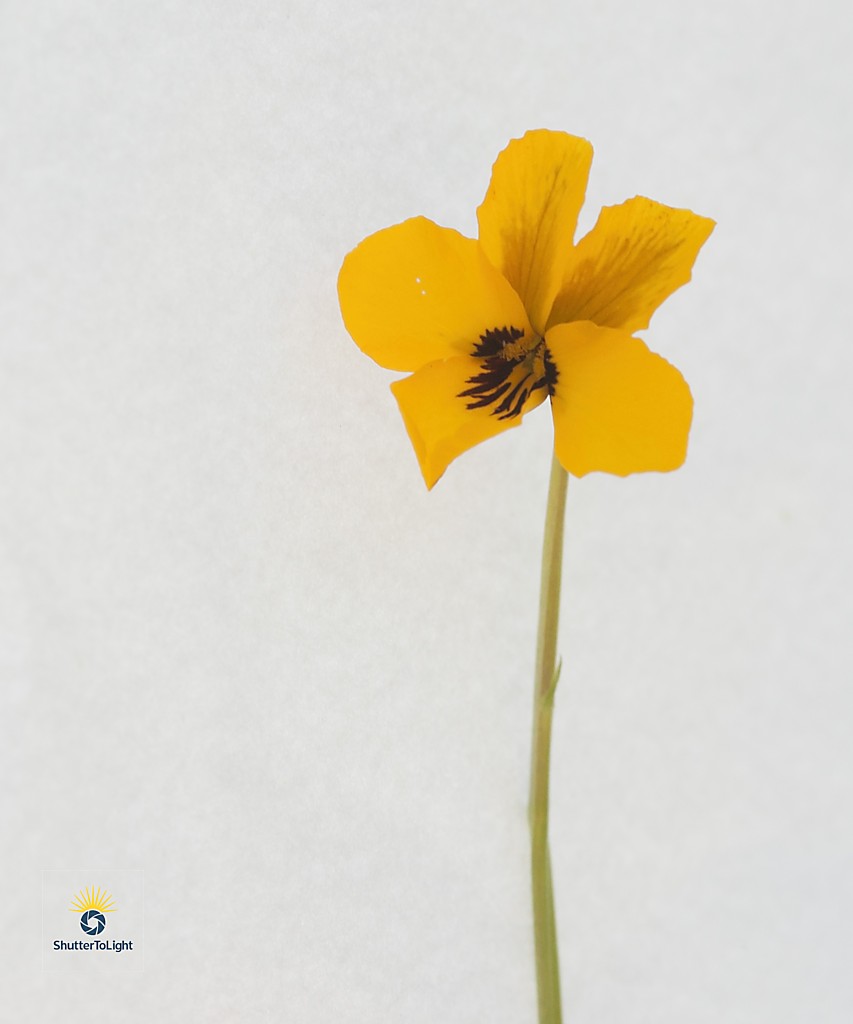
这篇文章分享了我第一次参与摄影评审的体验,以及我在评判照片时所看重的几个要素:技术质量、构图、光线与原创性。
Este artículo comparte mi primera experiencia como juez de fotografía y reflexiona sobre los elementos clave que considero: calidad técnica, composición, luz y originalidad.
Recently, I had the opportunity to help judge a PSA chapter showcase competition.
It was a quiet experience, done behind the scenes, without the visibility that usually comes with exhibitions, blog posts, or social media. Yet in some ways, it felt more revealing than any of those. Judging photographs is not only about deciding which images are strong. It is also about learning, very quickly, what continues to hold your attention, what falls away after the first impression, and what makes a photograph feel complete.
The process reminded me that a photograph is rarely carried by one thing alone.
A striking subject may catch the eye, but without careful execution, it can lose its power. A technically clean photograph may earn respect, but without mood, originality, or a sense of purpose, it may not stay in the mind very long. Again and again, I found myself coming back to the same question: what makes one image merely good, and another truly memorable?
Technical Quality as a Foundation
Technical quality matters. It is the foundation. A strong image should feel clean and intentional. Focus should support the subject. Exposure should feel controlled. Processing should help the photograph rather than call attention to itself.
When halos appear around edges, when colors feel pushed beyond believability, when noise becomes distracting, or when contrast feels forced, those things weaken the image. They interrupt the experience. They remind the viewer of editing instead of helping the viewer remain inside the photograph.
But technical quality alone is never enough.
Composition and Structure
A photograph needs structure. It needs to feel organized in a way that guides the eye rather than scatters it.
Sometimes this comes through simplicity: one subject, one clear frame, one clear purpose. Other times it comes through rhythm, repetition, balance, or tension. A photograph can contain beautiful elements, but if they compete with one another, the image begins to feel unresolved.
Good composition is not only about where things are placed. It is also about what has been left out.
The Role of Light
Light matters just as much.
Flat light can make a subject feel ordinary, even when the subject itself is interesting. Directional light can add form, mood, and clarity. Soft light can reveal delicacy. Hard light can be powerful, but only if it is controlled.
In judging, I noticed how often light was the hidden difference between an image that was merely competent and one that felt alive. The same subject, under a different quality of light, can become a completely different photograph.
Originality and Memorability
Originality is harder to define, but easier to feel.
Some images are technically excellent and visually attractive, yet they feel familiar. One senses that they have been made many times before. Other images may be simpler, quieter, even less spectacular at first glance, but they contain something fresh—a way of seeing, a concept, or a visual idea that feels personal and surprising.
Those are the images that linger.
They do not always announce themselves loudly. Sometimes they whisper. But they remain.
Effort Versus Result
Judging also made me think more carefully about the difference between difficulty and result.
Some photographs are clearly hard to make. A bird in flight, a wild animal in motion, an unusual place reached through travel or patience—all of that deserves respect. But difficulty alone cannot be the score.
A hard image is not automatically a strong image. In the end, the photograph still has to stand on its own. It still has to work as a finished piece.
Effort matters, but what matters more is what finally appears inside the frame.
The Value of Simplicity
I also came away with a renewed appreciation for simplicity.
Some of the most effective images were not the most complex ones. They were the ones that felt fully resolved. They knew what they wanted to be. They did not rely on excessive processing, visual noise, or novelty alone.
They were clear. Intentional. Memorable.
In that sense, judging reminded me that sophistication in photography often comes not from adding more, but from reducing what is unnecessary.
A Personal Reflection
Perhaps what I value most now is not just whether a photograph is beautiful, but whether it feels complete.
A strong photograph, to me, is one where technical quality, composition, light, and originality all support one another. It does not have to be dramatic. It does not have to be perfect. But it should feel considered. It should feel honest to its own intent.
And ideally, it should give the viewer a reason to pause.
Judging photographs did not make me feel farther from my own work. It made me want to return to it with sharper eyes.
In the end, that may be one of the best gifts judging can offer a photographer: not authority, but clarity.
This experience also reminded me of something I once wrote about a quiet moment in nature—how sometimes what matters is not what we capture, but how we learn to see.
If you’re interested, you can read it here.